Exploring the Advantages of Peptide Substances: Your Roadmap to Enhanced Wellness
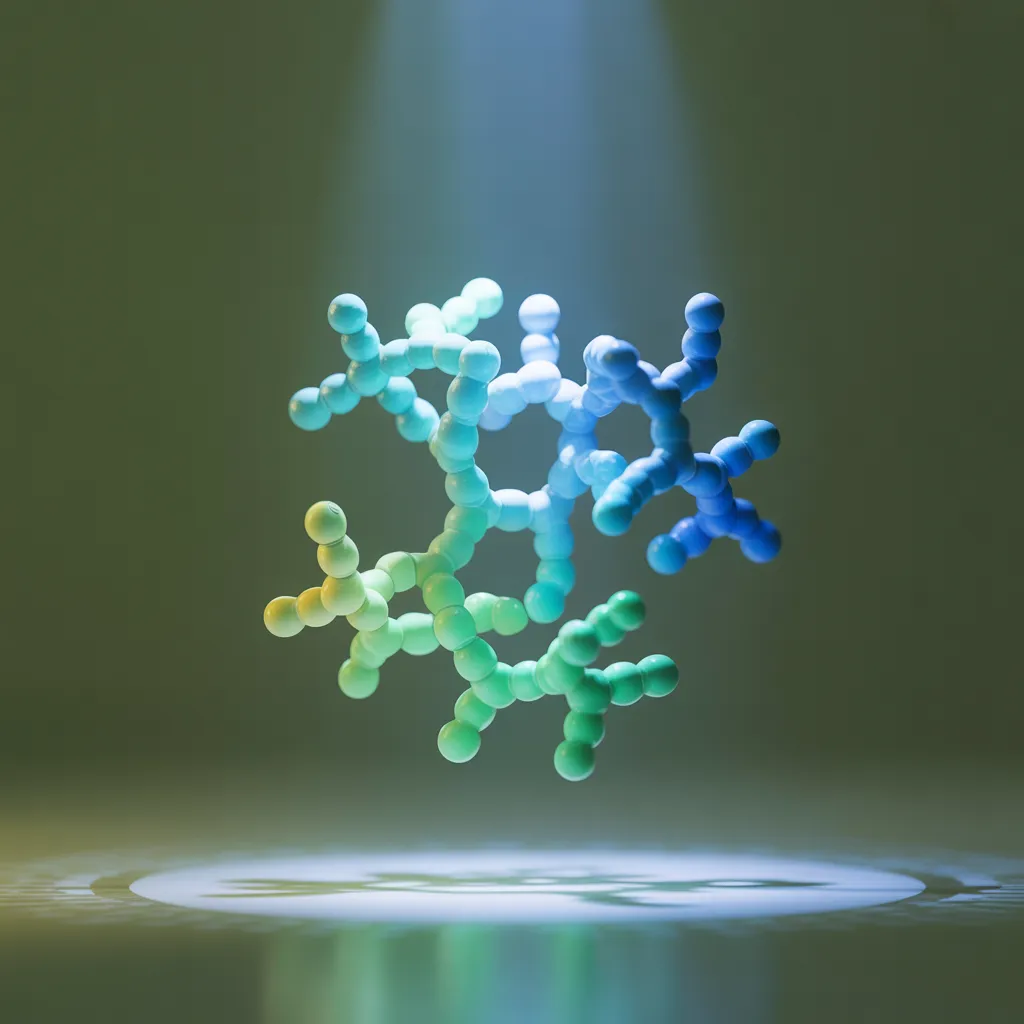
Peptides, vital amino acid chains, have garnered attention for their important part in improving health. These compounds enable interaction within cellular structures and affect various bodily functions. Understanding how peptides function can uncover their possible advantages. However, the intricacies of their application warrant careful consideration. As people investigate these opportunities, knowledge of both advantages and risks is crucial. What particular mechanisms can peptides affect, and how might they revolutionize wellness results?
What Are Peptides?
Peptides are short chains of amino acids that fulfill essential roles in multiple physiological activities. These compounds, usually containing 2 to 50 amino acids, represent the fundamental components of proteins and are vital for cellular functions. They can act as chemical messengers, facilitating communication between cells, and influencing numerous physiological activities.
Present naturally in the body, peptides contribute to hormone production, immune responses, and tissue healing. Their specific arrangements dictate specific functions, permitting them to participate in diverse processes, including metabolic processes and growth control.
Peptides, beyond their natural roles, can be synthesized for medical purposes, providing possible advantages in fields like muscle growth, weight control, and anti-aging treatments. With continuous investigation, comprehension of peptides keeps growing, highlighting their importance in well-being and vitality. This complexity stresses the importance of peptides in maintaining general physiological equilibrium and enhancing bodily health.
In What Manner Do Short-chain proteins Perform?
Peptides function through particular operational methods that impact cellular processes and signaling pathways. Multiple peptide types target distinct health benefits, extending from muscle growth to immune support. Understanding these processes is vital for capitalizing on their benefits in enhancing overall wellness.
Operational Process
By deploying the potential of amino acids, peptides function as chemical messengers that advance multiple biological functions in the body. They connect with specific binding sites on cell surfaces, generating a progression of chemical reactions. This interaction can impact cellular operations such as metabolism, immune system responses, and cellular restoration. By imitating or boosting the action of growth factors and hormones, peptides can direct processes like amino acid assembly and cellular proliferation. Additionally, they can suppress inflammatory responses and accelerate healing by promoting the emission of certain molecular messengers. Their focused approach allows for customized therapeutic methods, rendering them crucial in numerous health and wellness domains. Ultimately, peptides sustain a fundamental role in preserving equilibrium and improving bodily operations.
Kinds of Peptides
A varied variety of peptides exists, each performing unique roles inside the body. These molecules can be divided into varied types based on their roles. Signaling peptides hold key roles in intercellular signaling between cells, while transport peptides enable the transport of ions and nutrients across cell membranes. Antimicrobial peptides work as immune defenders against pathogens, stimulating immune response. Hormonal peptides, such as insulin, control metabolic functions, altering growth and energy use. Furthermore, neuropeptides are engaged in transmitting nervous system signals, changing mood and pain perception. Each peptide type is essential to maintaining homeostasis, demonstrating the complexity and role of these short amino acid strands in overall health and biological functions.
Health Benefits That Are Aimed
The intricate mechanisms of peptides enable them to deliver targeted health benefits across various physiological systems. By functioning as cellular messengers, peptides can affect body cell activity, promoting functions such as tissue repair, immune system function, and hormone regulation. Certain peptide compounds, like insulin, directly regulate blood sugar processing, while others facilitate muscular development and recovery through mechanisms like enhanced protein creation. Furthermore, peptides can improve skin health by stimulating collagen generation, thus boosting flexibility and decreasing signs of aging. Their capacity to bind to specific receptors allows for precise action, reducing side effects commonly linked to broader therapeutic agents. Overall, peptides serve as a versatile tool in contemporary health practices, offering tailored interventions that tackle personal wellness requirements effectively.
The Ways Peptides Strengthen Your Health and Wellness
As individuals seek creative methods to enhance their well-being, peptides have surfaced as powerful biological molecules that provide a variety of benefits. These short chains of amino acids play an crucial role in various physiological processes, supporting improved bodily functions. Research indicates that peptides can support immune function, facilitate tissue repair, and improve cognitive performance.
Moreover, peptides are known to aid in controlling metabolism and hormonal balance, which can lead to weight control and boosted energy levels. Their ability to promote collagen production can also improve skin elasticity and reduce signs of aging.
With a varied selection of peptides available, consumers can potentially personalize their health approaches to manage specific health concerns, from inflammation to stress relief. Overall, the addition of peptides into health routines delivers a hopeful direction for those desiring comprehensive enhancement in their quality of life.
Techniques to Use Peptides for Recovery of muscles
Peptides play a vital role in muscle recovery by offering various types customized for individual requirements. Comprehending the correct dose and administration methods is crucial for maximizing their benefits. Furthermore, controlling when you consume of these peptides can significantly affect recovery outcomes.
Types Of Recovery Proteins
Recovery peptides play an essential role in maximizing muscle healing and enhancing performance. Multiple kinds of recovery peptides are known for their specific benefits. For example, BPC-157 is well known for its tissue repair functions, promoting faster injury recovery. Another notable peptide, TB-500, aids muscle regeneration and decreases inflammation, facilitating quicker recovery after exercise. Collagen peptides also contribute by supporting joint health and enhancing overall connective tissue strength. Furthermore, IGF-1 (Insulin-like Growth Factor 1) encourages muscle growth and assists recovery by stimulating protein synthesis. Each peptide targets different recovery aspects, making valuable tools for athletes and fitness enthusiasts aiming to enhance performance and speed up healing.
Dosage And Administration Recommendations
Determining the appropriate dosage and use of recovery peptides is vital for maximizing their benefits. It is advisable to consult medical experts for personalized recommendations, as individual needs may vary based on factors such as body weight, activity level, and recovery goals. Generally, dosing can range from 1 to 5 milligrams per day, divided into multiple administrations. Under the skin injections are the most common method, ensuring optimal absorption. It is important to follow the manufacturer’s instructions regarding preparation and storage of peptide solutions. Users should also maintain a consistent schedule to boost effectiveness. Monitoring the body's response to peptides can help adjust dosages accordingly, ensuring that individuals achieve the desired muscle recovery outcomes safely and effectively.
Maximizing Amino Acid Intake
What is the ideal time to take peptides for muscle recovery? To boost their benefits, it is recommended to apply peptides directly after your workout. This window allows for optimal absorption when the body is primed for nutrient intake. Research indicates that peptides can support in muscle repair and growth, making post-workout the most effective window for intake.
Moreover, some athletes find value in a second dose before bedtime to facilitate overnight recovery processes. Regularity in scheduling improves the overall effectiveness of the peptides. It is essential, however, to adhere to specific dosing guidelines and track individual responses to achieve the best results. Pairing peptide consumption with a balanced diet and adequate hydration further supports muscle recovery and overall wellness.
How Peptides Can Assist You Control Weight
Peptides emerge as a potential instrument for weight control, presenting a multifunctional framework to accomplishing and maintaining a healthy body structure. These small chains of organic compounds serve an important function in diverse physiological processes, including metabolic management and appetite control. Select peptides, like GLP-1 and ghrelin, have been shown to increase insulin response and foster fullness sensations, in turn minimizing calorie consumption.
Moreover, bioactive molecules can stimulate the breakdown of fat stores, enabling weight loss while preserving lean muscle mass. By affecting hormonal pathways, they can efficiently regulate energy expenditure and fat storage. Research suggests that incorporating specific peptides into a weight management plan may improve results when paired with a balanced diet and regular exercise. As interest in peptide therapies increases, individuals seeking to manage their weight may find valuable support in these innovative compounds, paving the way for improved health outcomes.
Peptides for Skin Health Enhancement
Utilizing the power of peptides can greatly improve skin health, offering a variety of benefits ranging from better hydration to diminished signs of aging. Peptides, as short chains of amino acids, play an important role in signaling skin cells to carry out essential functions. They stimulate collagen production, which results in greater skin elasticity and firmness. Furthermore, certain peptides have been found to boost moisture retention, giving the skin a plump and radiant look.
Furthermore, peptides have anti-inflammatory characteristics that can aid in calming inflamed skin and reduce discoloration. By promoting cell regeneration, they lead to a more even skin tone and surface quality. Many beauty formulations now include peptides to target various concerns, such as age spots, wrinkles, and overall skin health. As studies explore the facts keeps uncovering their possibilities, peptides emerge as a promising option for those wanting to enhance their skin health in an effective and natural manner.
Grasping the Risks and Side Effects of Peptide Administration?
Although peptides offer numerous benefits for health, it is crucial to consider the possible dangers and adverse reactions linked to their use. While many people undergo positive results, negative effects can happen, extending from mild to severe. Typical side effects encompass reactions at the injection site, such as irritation or inflammation, headaches, and digestive issues.
Furthermore, the sustained consequences of peptide use stay largely unresearched, fueling concerns about potential metabolic imbalances and organ stress. Some peptides may interfere with other medications, creating unforeseen complications.
Those with chronic health issues or who are pregnant should use caution and talk to healthcare practitioners before starting peptide therapy. Overall, while peptides may improve wellness, a thorough understanding of their risks is necessary for thoughtful decision-making and safe use.
Commonly Answered Questions
Can Peptide compounds Be Used in Conjunction With Other Nutritional supplements?
Peptides can undoubtedly be integrated with other supplements. However, it is important to take into account conceivable interactions and personal health status. Consulting a healthcare professional ensures beneficial and secure regimens created for unique health aims.
What amount of time Does It Take to perceive Results From Peptides?
Results from peptides generally manifest within four to twelve weeks, depending on individual factors and specific peptides used. Regular application and complementary lifestyle choices may improve the effectiveness and speed of noticeable outcomes.
Are Peptide molecules Safe for Prolonged Utilization?
Peptides are often regarded as safe for long-term use, but personal outcomes may vary. Consulting with medical doctors is critical to monitor effects and adjust dosages, providing ideal benefits while minimizing potential risks related to continuous use.
Can Peptides Work Wrinkle-reduction Objectives?
Peptides can indeed be used for age-defying applications. They may improve skin elasticity, reduce fine lines, and promote collagen production, contributing to a younger appearance. However, outcomes can differ among individuals and require consistent use.
What Are the Best Sources for Obtaining Peptides?
Well-established sources for obtaining peptides include licensed pharmacies, certified online retailers, and specialized health clinics. It is critical to verify the supplier's credentials and guarantee products undergo rigorous quality testing for safety and efficacy.