Discover the World of Fair Trade Tea: Premium Brews That Support Sustainable Practices
Fair Trade tea embodies a harmonious union of excellence and ethics. Each cup offers a unique flavor profile while promoting sustainable farming practices. This methodology not only improves the tea enjoyment but also empowers disadvantaged agricultural workers. Understanding its origins and verification standards uncovers additional dimensions of importance. As buyers become more aware of their decisions, the impact of Fair Trade tea extends beyond flavor. What exists beneath the exterior of these selections?
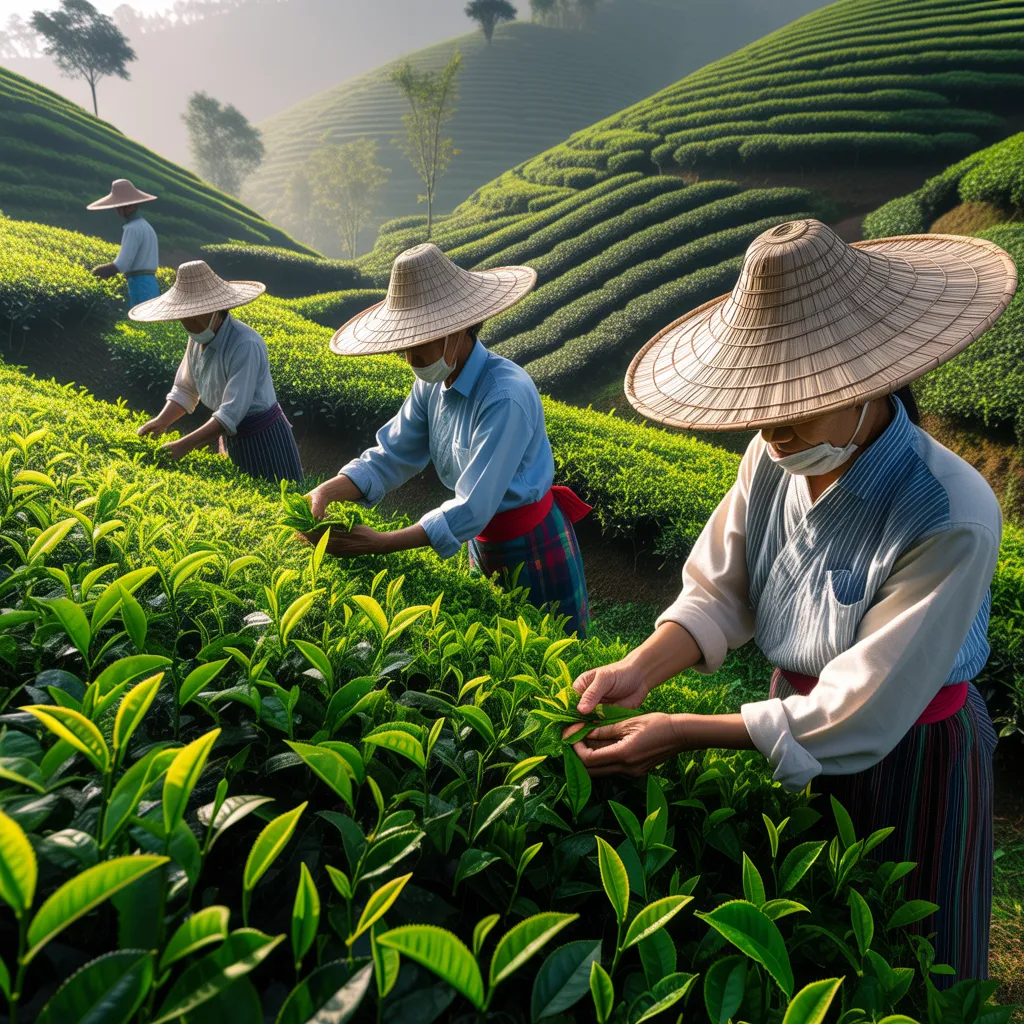
Reveal the History of Fair Trade Tea
Fair Trade tea is rooted in the socioeconomic efforts aimed at improve the livelihoods of excluded farmers. Emerging in the late 20th century, this scheme sought to address imbalances in global trade, chiefly in emerging nations where tea is frequently cultivated. The movement gathered pace as patrons became progressively mindful of the harsh truths faced by small-scale farmers, including unjust pricing and abuse by large corporations.
Through cooperative structures, Fair Trade aimed to empower these farmers, ensuring they obtained fair compensation and backing for sustainable farming practices. The movement also concentrated on promoting ecological stewardship, promoting organic farming and biodiversity. As knowledge increased, Fair Trade tea became a symbol of responsible purchasing, connecting consumers directly with the origins of their beverages. By choosing Fair Trade tea, individuals add to a larger goal of social justice and economic equity, creating a more sustainable future for tea-growing communities.
Explore fair commerce standards for long-term environmental initiatives
Understanding Fair Trade certification is vital to identifying how sustainable practices are maintained within the tea industry. This certification confirms that producers receive fair wages and work under safe conditions, which directly supports community development. Fair Trade standards advance environmentally sustainable farming methods, reducing the use of harmful chemicals and encouraging biodiversity.
Certification further fosters clarity in the supply chain, enabling customers to trace their tea back to its source. By following these standards, farms engage in practices that safeguard natural resources and sustain local ecosystems. Additionally, Fair Trade organizations often offer learning materials and instruction to agricultural producers, enabling them to enhance their production methods and economic stability.
Ultimately, Fair Trade certification not only enhances the quality of tea but also matches purchasing decisions with moral and sustainable values, making it an essential aspect of the tea industry's dedication to social responsibility and ecological preservation.
Explore Premium Selection of Fair Trade Tea
While many tea devotees savor the rich flavors and aromas of various brews, studying the top varieties of Fair Trade tea indicates a more profound commitment to ethical sourcing and sustainability. Some favored options comprise Fair Trade Assam, noted for its powerful, malted character, and Fair Trade Darjeeling, often known as the "Champagne of teas" for its refined botanical undertones. Another important variety is Fair Trade Earl Grey, combined with bergamot, presenting a distinctive orange essence.
Additionally, Fair Trade Green Tea, celebrated for its invigorating qualities and health benefits, is increasingly favored among health-conscious consumers. Herbal blends, such as Fair Trade Chamomile and Peppermint, also excel, offering soothing and calming effects. Each of these varieties not only offers exceptional flavor but also supports farmers and communities working for better livelihoods, making them a responsible choice for tea lovers seeking quality and ethical assurance.
Brewing Fair Trade Tea: Directions for a Superior Cup
To create the best cup of Fair Trade tea, careful attention is essential, since the proper procedures can boost the tea's distinctive aromas and aromas. Initially, the quality of water is fundamental; using clean water provides a crisp taste that allows the tea's characteristics to stand out. The water temperature is also essential; specific temperatures are needed for distinct teas; black tea requires boiling water and cooler is preferred for green or herbal varieties.
Subsequently, the brewing duration must be strictly observed. Oversteeping can lead to a bitter taste, while insufficient steeping may not extract the full flavor profile. A standard recommendation is 3-5 minutes for black tea and 2-3 minutes for green tea.
In conclusion, achieving the ideal tea-to-water ratio enhances the flavor; one teaspoon of loose tea per cup is a fine starting point. By following these pieces of advice, tea devotees can fully appreciate the rich offerings of Fair Trade tea.
Green Benefits of Fair Trade Tea
Brewing Fair Trade tea not only improves the tea encounter but also promotes sustainable agricultural practices that benefit the environment. Fair Trade certification motivates farmers to use natural cultivation techniques, which minimize the reliance on harmful pesticides and fertilizers. This approach promotes biodiversity, helping to preserve local ecosystems and protect animal sanctuaries.
Furthermore, Fair Trade methods often focus on soil health and water conservation, ensuring that tea cultivation does not deplete essential resources. By supporting small-scale farmers, Fair Trade also encourages agroforestry, which combines tea cultivation with other crops and trees, further boosting environmental resilience.
Furthermore, Fair Trade tea often incorporates eco-conscious packaging and transportation methods, reducing the greenhouse gas emissions connected to its delivery. Ultimately, selecting Fair Trade tea represents a deliberate commitment to advance a more sustainable farming approach that respects both the Earth and its inhabitants.

The Impact of Your Tea Choice in Strengthening Worldwide Communities
Investing in Fair Trade tea bolsters global communities by providing farmers with equitable compensation and enhanced labor situations. This resolve assures that tea producers can maintain their livelihoods while helping their dependents and community markets. By purchasing Fair Trade tea, end consumers advance the development of significant local services, like education and healthcare.
Fair Trade certification encourages responsible conduct, demanding companies to adhere to guidelines that emphasize employee protections and ecological responsibility. As a result, farmers are motivated to grow high-quality tea, which not only enhances their income but also fosters pride in their work.
Furthermore, the immediate trading connections established through Fair Trade remove exploitative middlemen, allowing farmers to communicate with consumers worldwide. This transparency cultivates trust and encourages a practical resource global recognition for the cultural importance of tea. Ultimately, each cup of Fair Trade tea acts as a reminder of the positive impact individuals can have on global communities through mindful consumption.
Frequently Posed Questions
How Can I Recognize Fair Trade Tea Products in Stores?
To spot fair trade tea products in stores, one should search for official certifications, such as Fair Trade Certified or Rainforest Alliance. Additionally, studying brands focused on sustainable practices can assist in choosing wisely.
What Health Benefits Are Associated With Fair Trade Tea?
Fair trade tea may yield multiple wellness advantages, with heart-enhancing antioxidants, superior digestion, and sharper mental clarity. Additionally, conscientious sourcing practices strengthen responsible agriculture, indirectly advancing a revitalized environment and community welfare.
Where Can I Locate Ethically Sourced Tea in Digital Shopping Platforms?
Yes, fair trade tea is widely available in digital platforms. Multiple vendors offer a diverse range of product options, making certain consumers can easily access ethically sourced options that advance both eco-friendly practices and equitable compensation.
In What Ways Does Fair Trade Tea Impact Community Economies?
Fair trade tea positively impacts local economies by providing farmers with fair wages, fostering community development, and encouraging sustainable farming practices. This support uplifts living conditions, promotes economic stability, and empowers communities to direct funds toward education and healthcare.
How Can I Preserve Fair Trade Tea to Guarantee Superior Freshness?
To maximize quality, fair trade tea should be stored in a airtight container, away from light, pungent smells, and humidity. Storing it in a cool, dark place helps preserve its aroma and flavor over time.